
Origin Trip - Honduras
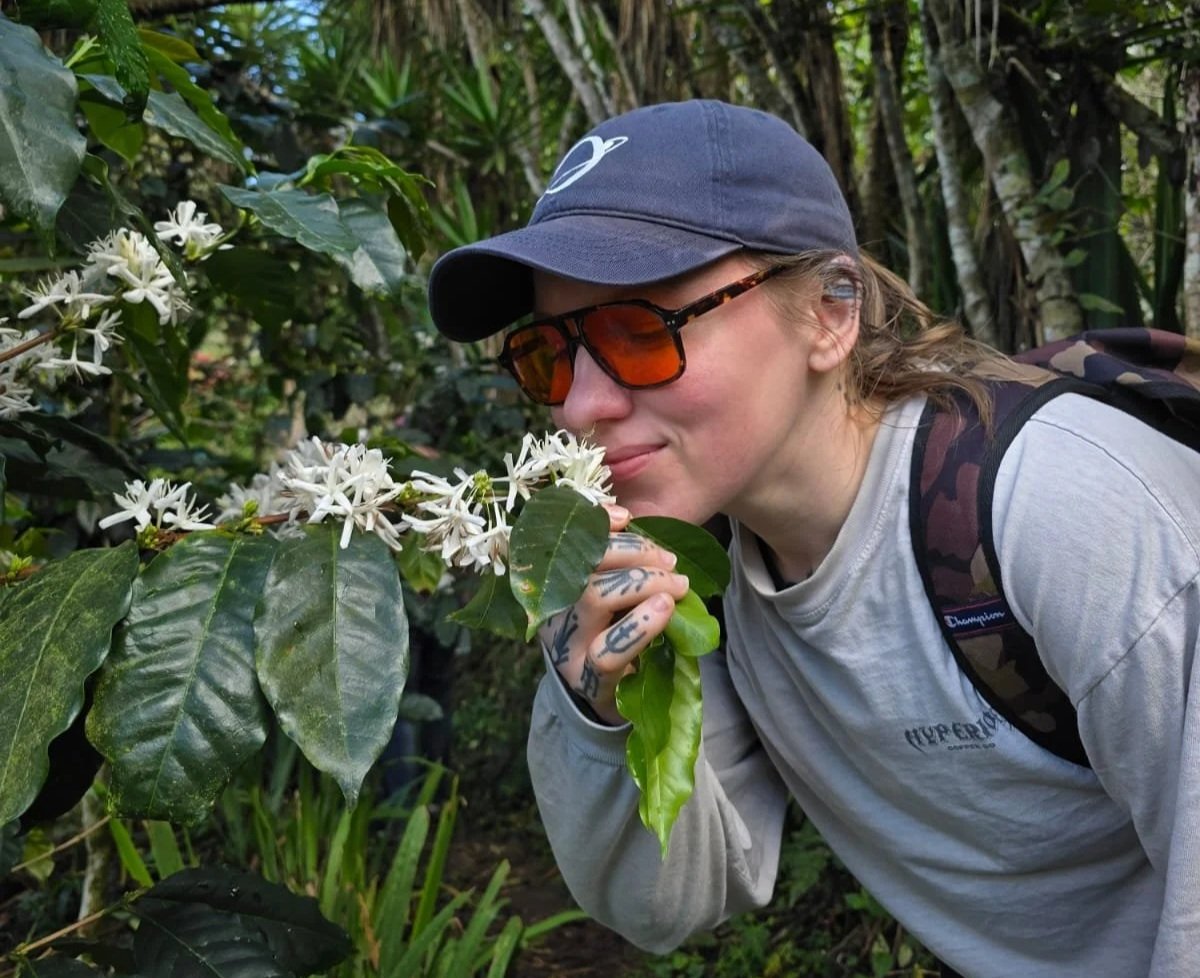
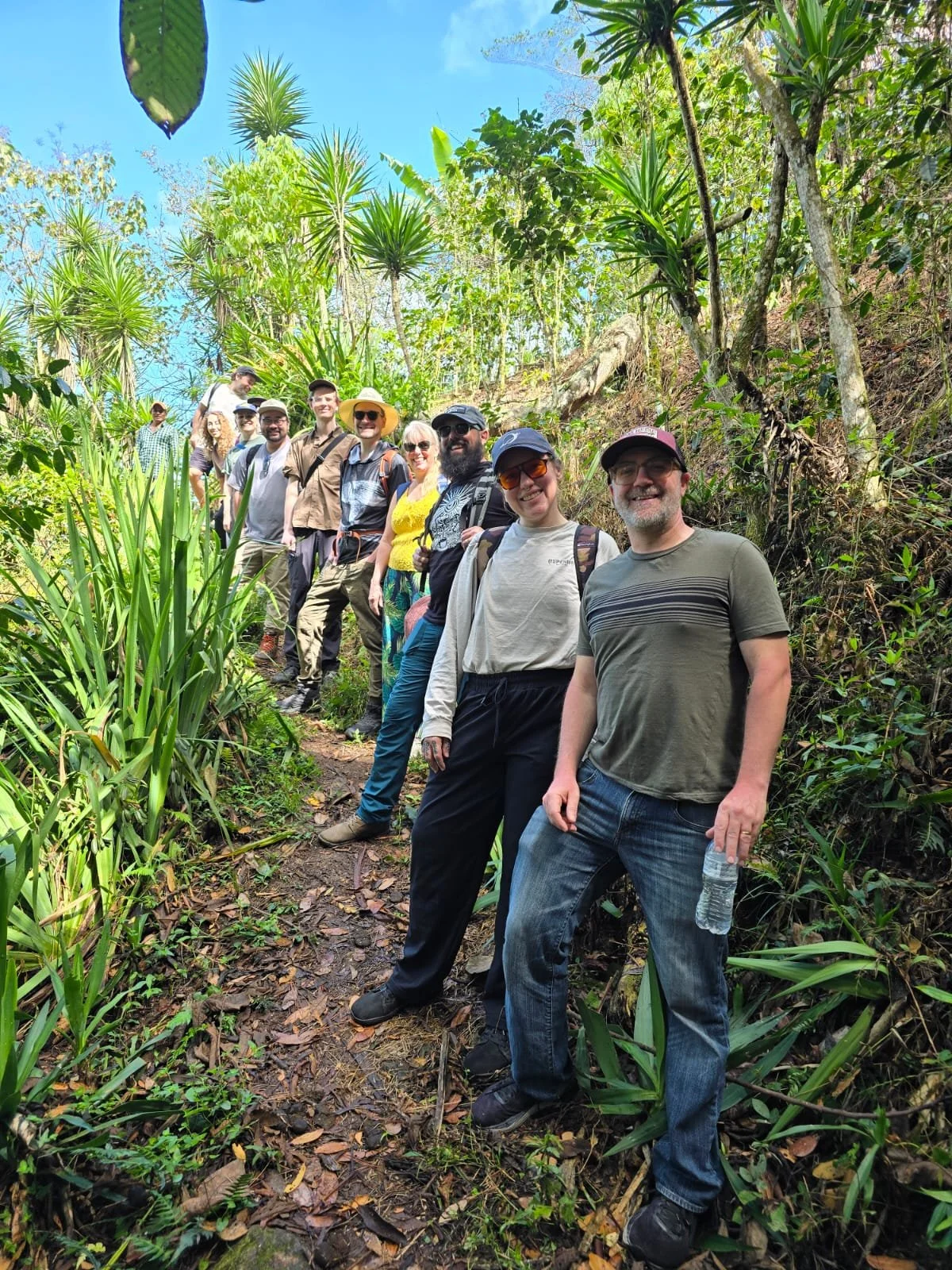
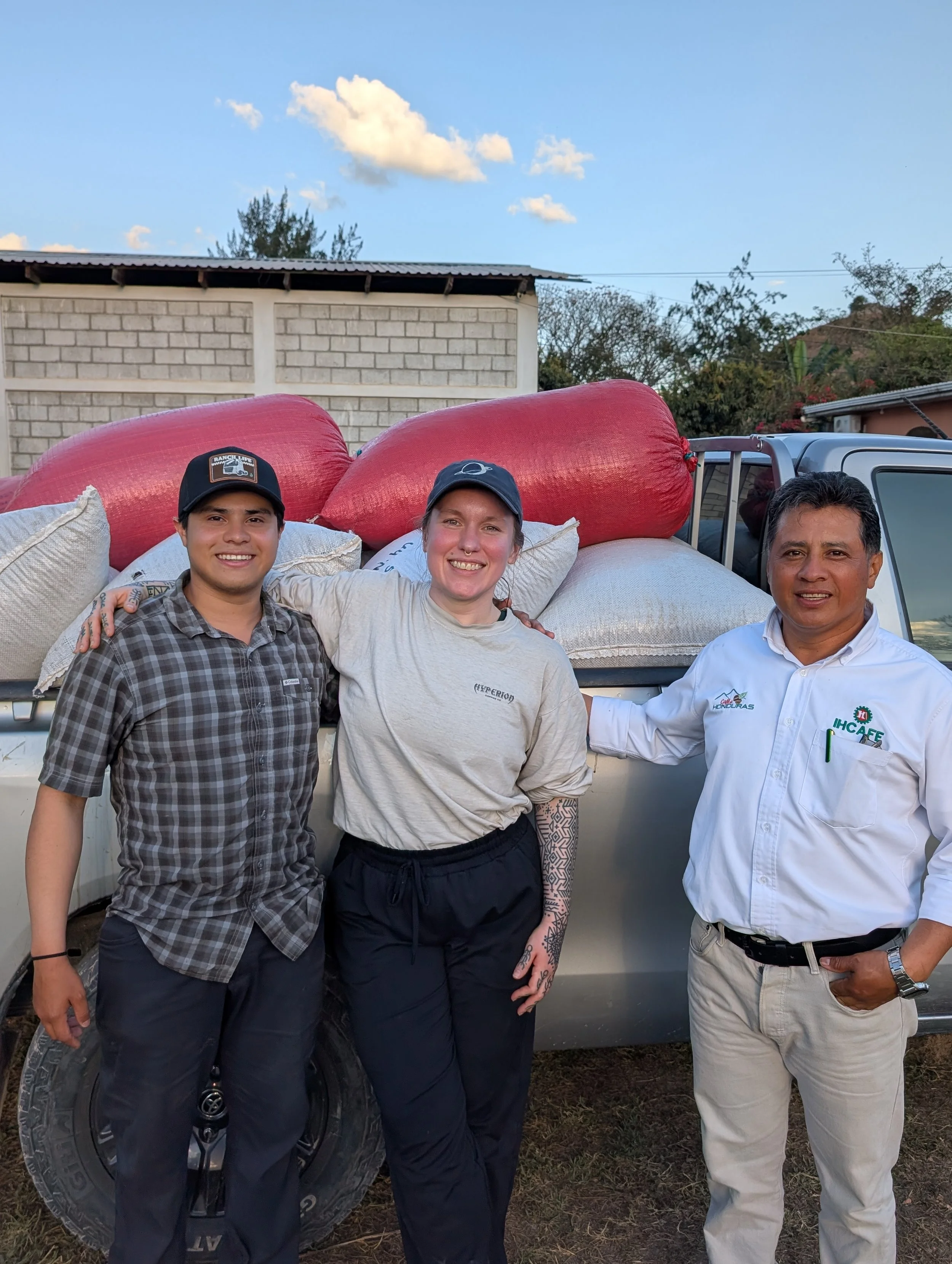
In early March 2026, we traveled to Marcala, Honduras with the Honduran Coffee Alliance (HCA) to participate in origin cuppings and visit producers whose coffees will make up next year’s offerings. Over the course of the trip, we were able to cup extensively, build new relationships, and spend time on farms to better understand the work behind each lot.
All cuppings were held at the lab of producer Hubert Nicolás, where we participated in four separate cupping sessions across five tables. In total, we brought home around 15 unique samples from these sessions and ultimately reserved five bags of a honey processed Pacas lot from Hubert. We are currently waiting on additional details from the HCA on this coffee and will share more information as it becomes available.
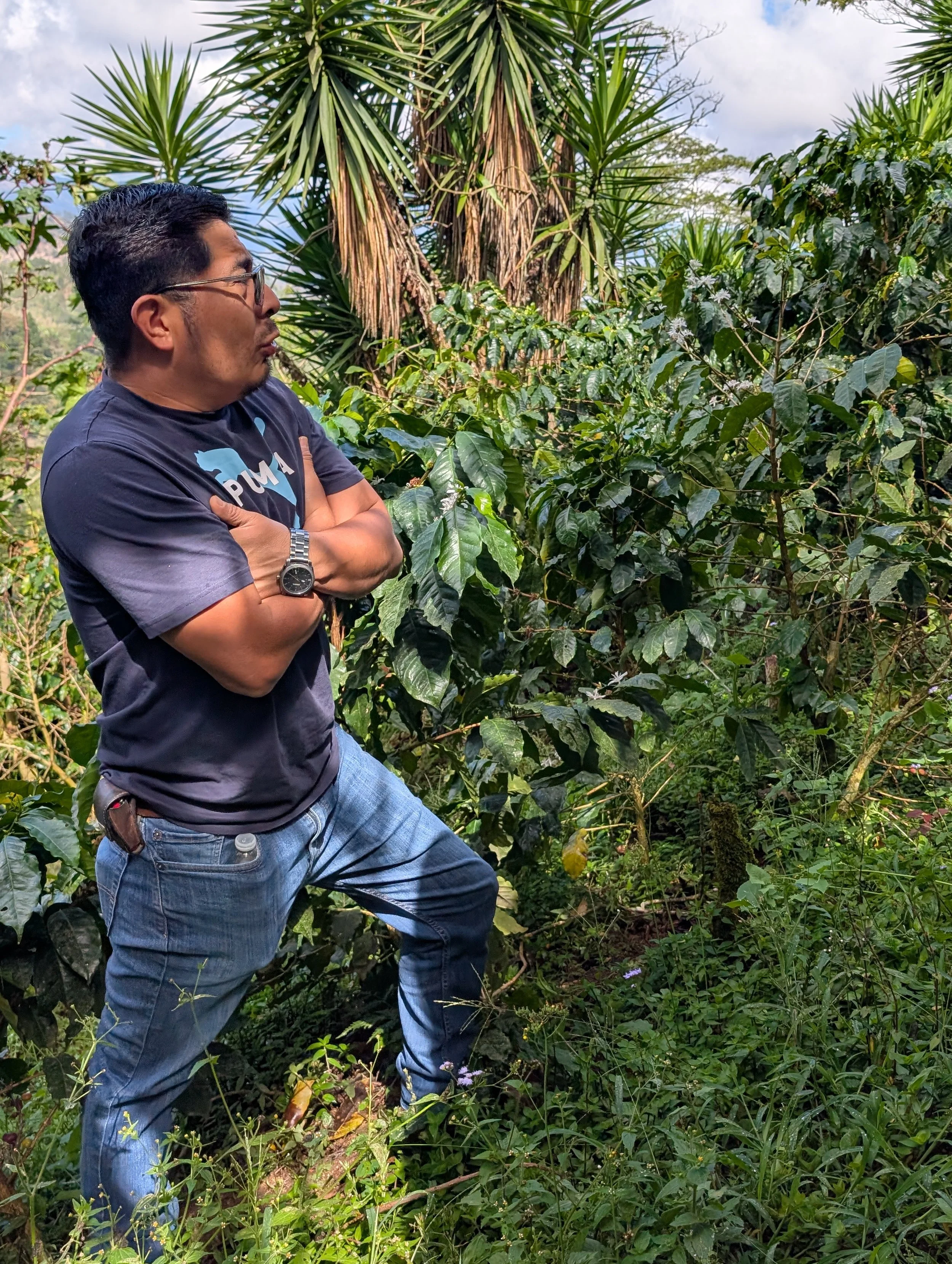
Hubert’s farm is a strong example of long-term stewardship and intentional farm management. The land is naturally shaded by dense tree cover, which helps regulate temperature and protect the coffee plants. Hubert works closely with his right-hand man, Sixto, to maintain frequent pruning cycles. This practice keeps yields high while encouraging the plants to focus their energy on cherry production rather than excess foliage growth.
Hubert originally studied agricultural engineering and did not intend to return to coffee farming, but after being called back to take over his family’s land, he has since transformed the farm into a diverse and regenerative system. Through interplanting and soil-conscious practices, he has created a healthy and resilient ecosystem that supports both coffee production and native plant life.
In addition to his work on the farm, Hubert plays a huge role in connecting producers to the HCA. He is widely known within the Honduran coffee community and is a key part of what makes meaningful, transparent relationships between roasters and producers possible.
We also had the opportunity to cup coffees from other producers we haven’t previously worked with, including Mariano Nolasco and his son, Darnel Nolasco. As fourth and fifth generation coffee farmers, they represent both deep-rooted experience and processed Ana Cafe 14 lot from their farm that stood out on the table for its intensely fruit-forward profile. Darnel recently completed his studies in agricultural engineering and is currently managing his own small plot while contributing to his family’s farm. At present, he sells his coffee as cherry to help support the larger estate, with plans to take on a greater role in the future.
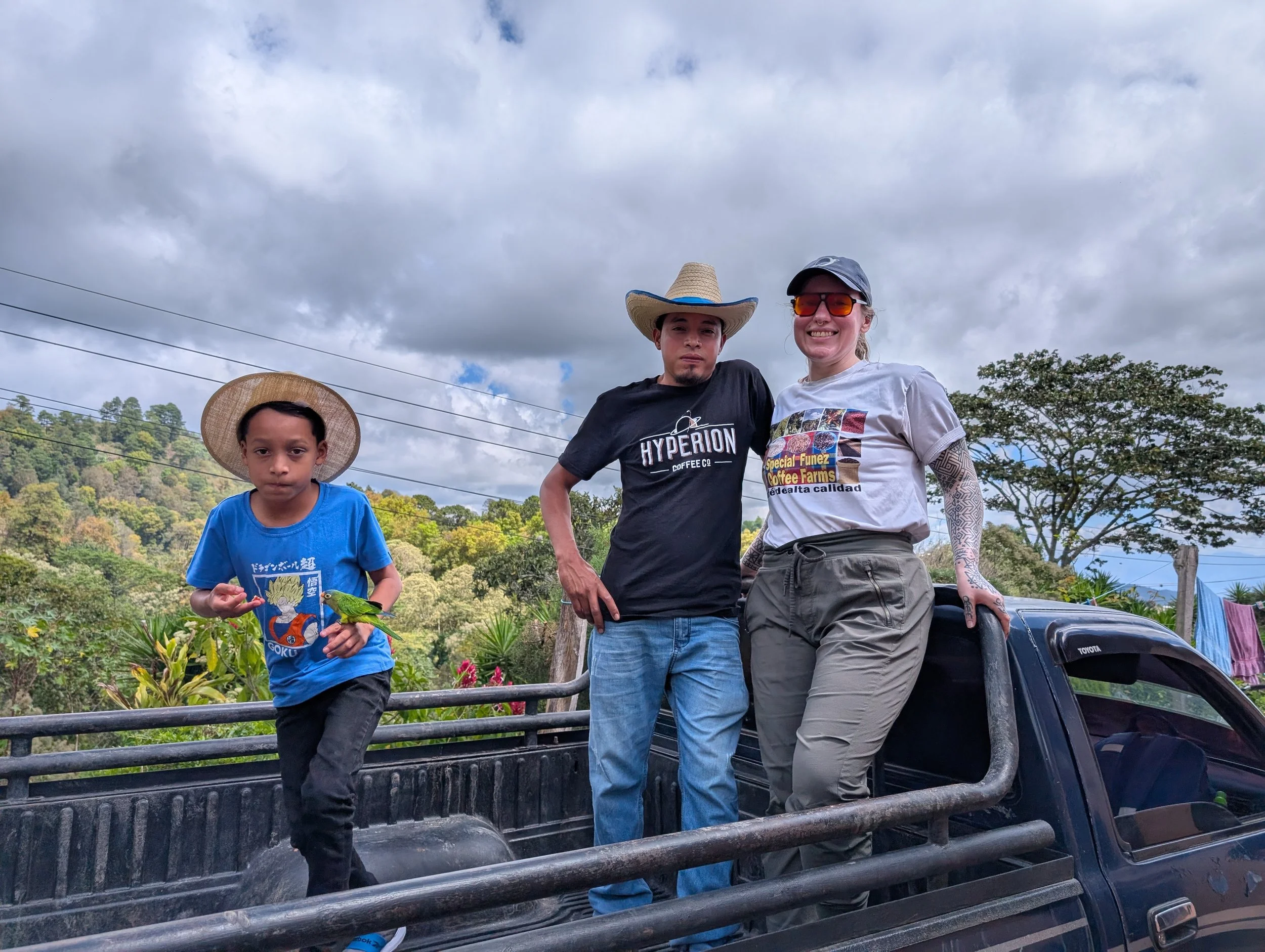
On our final day in Honduras, we visited Ariel Funez and his family at their farms, Finca Flores, and Finca Lagunitas, which together total 16 hectares. Ariel works alongside his sister Lila and brother Nestor to manage both properties, each named for defining characteristics of the land. Finca Flores is known for the flowering trees that bloom throughout the winter, while Finca Lagunitas gets its name from the small lagoon that forms during periods of heavy rain.
Ariel has made several recent improvements to his processing infrastructure, including the installation of a gasoline-powered motor to run his wet mill. Due to inconsistent electricity in the region, this upgrade allows him to process coffee more reliably and at full capacity. During our visit, Ariel walked us through his honey processing method using freshly harvested Pacamara cherries, demonstrating the depulping stage before drying the coffee on patios.
Drying is closely monitored, and once the coffee reaches a moisture content between 10.5% and 12%, it is moved into storage to preserve stability and quality. This level of attention to detail is reflected in the consistency and clarity of his coffees.
Beyond production, Ariel places a strong emphasis on the people who make his work possible. He is committed to providing stable employment and fair opportunities for the pickers and workers on his farms, helping to support the surrounding community while continuing to improve quality year over year. It is clear that his approach is driven not only by the pursuit of exceptional coffee, but also by long-term sustainability for both his land and his team.
Trips like this reinforce the importance of direct relationships and time spent at origin. From established producers like Hubert Nicolás to emerging partnerships with families like the Nolasco’s and Ariel Funez, we are excited about the coffees coming out of this region and look forward to sharing them as they arrive.
